
Do you think you could spot a deepfake? Experts warn it’s getting tougher
 VENN
VENN
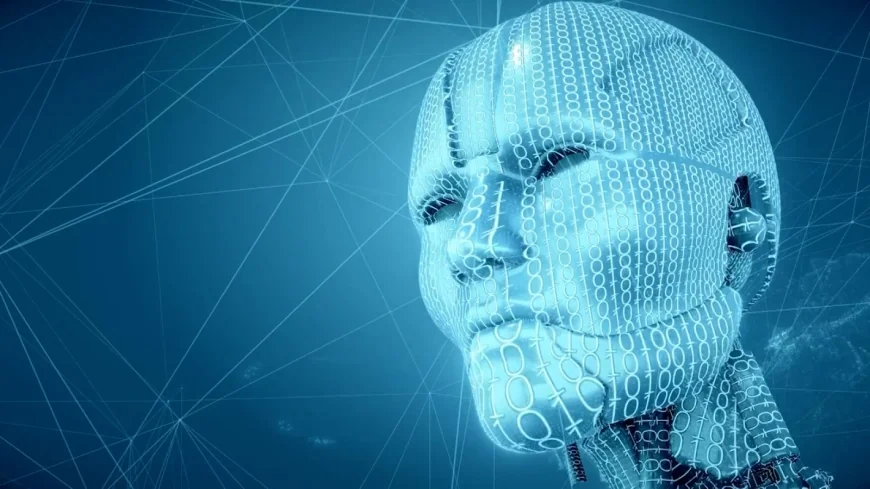
RICHMOND, Va. (WRIC) — The saying goes, 'I have to see it to believe it,' and while the phrase may have worked for years, experts say that with evolving technology and the use of artificial intelligence, deciphering what's real and what's fake can be tough.
There is so much content people consume daily, but nowadays, everything you see isn't created by a human. In fact, Christopher Whyte, Associate Professor of Homeland Security at VCU, says more and more AI-generated content is making its way onto platforms.
The artificial content is also known as a deepfake. Whyte said what's created using the technology can be used for good, by recovering history or sending messages to wider audiences. However, with the progression of technology and fixes to obvious signs of artificial content, more people, including scammers, are taking advantage of it.
"Churchgoers are getting scammed by a simple voice-over mimicking of their pastor over the phone," Whyte said. "They get a phone call, then they make an extra donation."
However, despite advancements, Whyte believes we are not at the point where technology could trick experts.
"The likelihood they'll encounter something that's so good it would defeat an expert or defeat most experts when they were asked to analyze it is extremely rare," he said.
For everyday people, Whyte said it's important to question what you're seeing especially if it seems fishy.
"This is the time where we need to take basic cybersecurity principles and particularly, I mean, zero trust, into more areas of our lives," Whyte said.